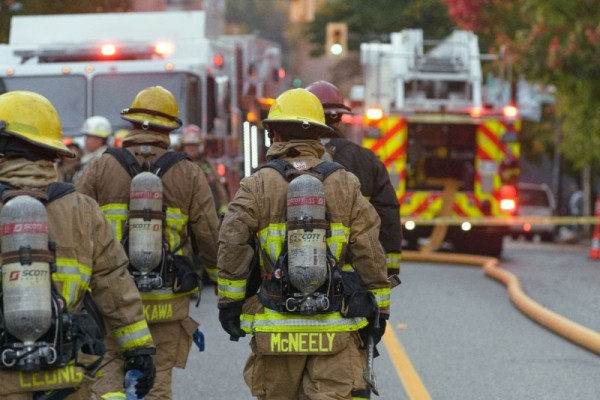
 Volunteer fire and EMS departments carry enormous responsibility. You protect lives. You manage apparatus worth hundreds of thousands of dollars. You steward public funds. You rely on volunteers who show up at 2 a.m. when the community calls.
Your insurance program should work just as hard as you do.
Yet for many departments, coverage only gets attention when renewal paperwork arrives. By then, leadership may have changed, equipment may have been upgraded, and exposures may have shifted.
That's why an annual insurance review matters. Not to shop price or to complicate things, but to pause, take a clear look at how your department operates today, and confirm your protection still aligns with that reality.
If you're not sure where to start, these are the areas we encourage departments to walk through each year.
1. Named insured and entity structure
This is one of the most common and most serious gaps we see.
Does your policy correctly list:
- The fire and/or EMS company?
- The relief association?
- The social club?
- Any affiliated foundations?
If the wrong entity is listed, a claim can be delayed or challenged. A five-minute review of legal names can prevent a major coverage dispute later.
2. Leadership and contact information
It sounds minor, but it matters. Chiefs change, board members rotate, and treasurers step down.
If your carrier doesn't have current leadership contacts, communication can break down during a claim or renewal. Make sure your agent understands your current chain of command and has updated contact information on file.
When something happens, you don't want confusion about who should be contacted.
3. Building and property valuations
Construction costs have risen significantly over the past several years. If your station was valued five or ten years ago, there is a real possibility it is underinsured. That can leave your department short during a rebuild.
An updated replacement cost valuation helps ensure your coverage reflects today's construction environment, not yesterday's pricing.
4. Apparatus values and agreed value coverage
Your apparatus is often your single largest asset. Agreed value coverage establishes the value up front. If there is a total loss, there is no debate about depreciation or market fluctuations.
For departments that rely on grants, fundraising, and long-term planning to purchase equipment, that certainty matters.
5. Accident & sickness (A&S) and workers' compensation coordination
This is one of the most misunderstood areas of coverage, and one of the most important for volunteer departments.
Accident and sickness coverage is designed to work alongside workers' compensation. In many situations, both claims should be filed simultaneously, but departments are often unsure when or how that applies.
Leadership should be able to answer questions like:
- If a volunteer is injured on a call, which policy responds first?
- Are lost wages covered, and if so, how?
- Are medical bills handled differently under A&S versus workers' compensation?
- Who is responsible for initiating each claim?
If those answers are unclear, now is the time to clarify them. When a member is injured, the focus should be on recovery and support, not uncertainty about paperwork or benefits.
6. Group term life insurance and member benefits
Recruitment and retention continue to challenge volunteer departments. Nationwide, the number of volunteer firefighters has dropped by nearly 12 percent over the past two decades, while call volumes have increased significantly.
That reality makes member benefits more important than ever.
Group term life insurance and Member Family Assistance Programs can provide meaningful protection for volunteers and their families at a relatively low cost per member. In many cases, these benefits can be funded through Relief Associations.
For departments competing for volunteers, benefits like these are tangible demonstrations that you value and protect your members. Many departments are surprised to learn what options are available and how affordable they can be.
7. Personal vehicle and towing enhancements
Do your members ever use personal vehicles to respond to calls, attend trainings, pick up supplies, or assist at events? If so, their personal auto policy is typically the primary coverage in the event of an accident. That can create exposure for both the volunteer and the department.
Departments should review:
- Whether volunteers understand how their personal policy responds while acting in service to the department
- Whether your policy provides non-owned auto liability protection
- Whether enhancements such as deductible reimbursement are in place
- Whether towing and roadside limits are adequate during emergency response situations
Without the right structure, a volunteer could face out-of-pocket expenses after doing exactly what you asked them to do. Coverage enhancements in this area are often modest in cost, but they demonstrate something important: that you protect the people who protect your community.
8. Cyber liability protection
Fire and EMS departments collect more data than ever before, including member records, donor information, billing data, and payroll.
Cyber incidents are no longer limited to large corporations.
At minimum, departments should evaluate:
- Firewall protections
- Automatic system updates
- Password management policies
- Clear breach response procedures
A cyber event can disrupt operations quickly. Preparation reduces downtime.
9. Claim reporting procedures
When an incident occurs, clarity is critical.
Every department should know:
- Who reports the claim
- How quickly it needs to be submitted
- What documentation is required
- Who their point of contact is
Waiting too long or submitting incomplete information can delay resolution. Insurance should respond quickly. That starts with having a clear reporting process.
Why annual reviews matters
Volunteer departments evolve. Leadership changes. Buildings are renovated. Equipment is upgraded. Membership shifts. Exposure changes.
If your insurance program hasn't evolved with you, it may not fully protect your department or your volunteers.
At Keller-Brown Insurance, we've worked alongside fire and EMS organizations for decades. We understand the structure of volunteer companies, relief associations, and the real-world challenges departments face.
Our role isn't just to place coverage. It's to make sure your program reflects your current operations and protects the people who protect your community.
Make this year's review count
If your department has not completed a full insurance review in the past 12 to 18 months, now is the time.
The experts at Keller-Brown are here to walk through your program, answer questions, and identify opportunities to strengthen protection. Because when the call comes in, the last thing your department should question is whether you are properly covered.
Let's make sure your protection is as dependable as your response.