
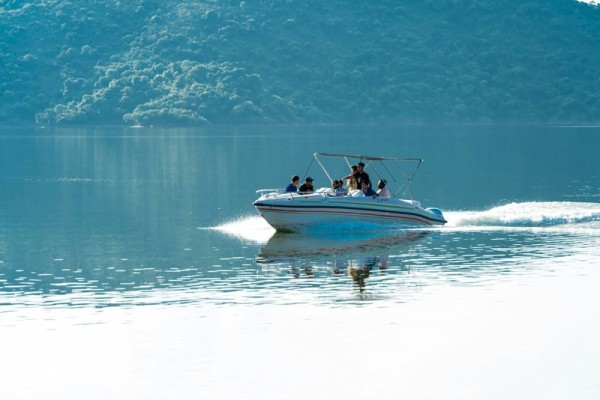
 Whether you're heading to Raystown Lake for the weekend or you're taking your motorcycle through Cumberland County's back roads, making sure you have the right insurance can help you enjoy the trip with greater peace of mind.
At Keller-Brown Insurance Services, we regularly help families insure everything from motorcycles and boats to RVs and travel trailers. One question comes up again and again:
Do I need a separate insurance policy for my boat, RV, or motorcycle?
In most cases, yes. While your homeowners or auto insurance policy may provide limited protection in certain situations, they typically don't provide the specialized coverage these vehicles often need while they're being driven, ridden, towed, or used.
Because every situation is different, it's important to review how you use your recreational vehicles with an experienced insurance advisor before choosing coverage. A great place to start is by asking these five questions before you hit the road or the water.
1. Doesn't My Auto or Homeowners Insurance Already Cover It?
The simple answer: not entirely.
One of the most common misconceptions we help clients clear up is assuming their auto or homeowners insurance automatically provides the same protection for recreational vehicles. We also hear some version of, "I don't use it very often, so maybe I don't need much coverage."
In many cases, neither assumption tells the whole story.
Coverage through an auto or homeowners policy is often limited and may not provide the protection you need when you're using your:
-
Motorcycle
-
Boat or personal watercraft
-
RV or motorhome
-
Travel trailer
-
ATV or off-road vehicle
For example, your homeowners policy may offer some protection for personal property, but it generally won't provide the liability or physical damage coverage needed when you're using these vehicles.
How you use the vehicle matters, too. An RV or camper that frequently travels on the road can have different coverage needs than one that's permanently parked or primarily used at a seasonal site.
If you've recently purchased a recreational vehicle or are thinking about buying one, it's a good idea to review your insurance before your first trip instead of finding out after a claim that there are gaps in your coverage.
2. If My Boat, RV, or Motorcycle Is Damaged, What Would My Policy Actually Pay For?
The answer depends on the policy you choose.
Some policies pay Actual Cash Value (ACV), which considers depreciation when determining a payout after a total loss. Depending on the vehicle and policy, other settlement options may be available. For example, some newer campers and RVs may qualify for replacement cost coverage rather than ACV.
Understanding how your policy would respond before an accident happens can help you make a more informed decision about the coverage that's right for you. Don't assume two policies will pay a claim the same way simply because they insure the same RV, boat, or motorcycle.
For many recreational vehicle owners, it's also worth asking about optional coverages that may provide additional protection, including:
-
Emergency roadside assistance
-
Trip interruption coverage
-
Personal belongings carried with you
-
Accessories and permanently attached equipment
-
Medical payments
-
Coverage for pets traveling with you (on eligible policies)
Our recommendation: Before choosing a policy, ask your agent how a total loss would be settled and whether accessories, personal belongings, and emergency travel expenses are included. Those details often matter much more after a claim than they do when you're simply comparing quotes.
3. Are My Accessories and Personal Belongings Covered?
Not always. Many recreational vehicles carry thousands of dollars in additional equipment beyond the vehicle itself.
That might include:
-
Fishing equipment
-
Camping gear
-
Riding apparel
-
GPS units
-
Custom motorcycle accessories
-
Electronics
-
Water sports equipment
Some recreational insurance policies offer optional coverage for these items, while others have limitations or exclusions. If you've invested in customizing your motorcycle or stocked your RV for extended travel, it's worth reviewing whether those belongings are adequately protected.
4. What Happens If Something Goes Wrong While I'm Traveling?
Whether you're adventuring an hour from home or exploring areas outside the state, an unexpected breakdown or accident can quickly interrupt your plans.
Depending on the policy, optional coverages may help with expenses such as:
-
Towing or roadside assistance
-
Emergency transportation
-
Temporary lodging
-
Meals while your vehicle is being repaired
-
Trailer assistance in certain situations
One detail boat owners sometimes overlook: Where you primarily keep your boat can affect where the policy needs to be written. For example, if you live in Pennsylvania but primarily store your boat in Delaware, you may need a Delaware policy. Be sure to tell your agent where the boat is normally stored, not just where you live.
These coverages are easy to overlook when comparing insurance quotes, but they're often the ones people appreciate most when they actually need them.
5. Should I Bundle My Recreational Insurance With My Other Policies?
Price matters, but it shouldn't be the only thing you compare.
One misconception our team hears is that insuring a boat, RV, or motorcycle is automatically going to be expensive. While costs depend on the vehicle, coverage, driving or claims history, and other factors, recreational insurance may be more affordable than you expect. That doesn't mean the cheapest policy is always the best choice.
We often see clients focus on price without realizing they're comparing very different coverage packages. Just as you would with your home or auto insurance, look at what the policy actually covers, what your deductibles are, how a total loss would be settled, and what protection you would have if someone were injured.
There may also be opportunities to lower your premium. Depending on the company and your situation, discounts may be available for:
-
Owning a home
-
Paying your policy in full
-
Maintaining a claim-free history
-
Completing an approved safety course
-
Insuring multiple recreational vehicles
For boat owners in particular, completing an approved boating safety course may qualify you for a discount with some insurers.
The available discounts and coverage options vary by carrier, so comparing your options can help you find a policy that fits both your needs and your budget.
Enjoy Your Next Adventure. We'll Help You Protect It.
The best time to discover a gap in your coverage is before your first trip, not after your first claim. A quick review today can help you head into your next adventure knowing your coverage matches the way you actually use your boat, RV, or motorcycle.
Our team at Keller-Brown will take the time to understand how you use your recreational vehicles, explain your coverage options in plain language, and help you find a policy that fits your needs. We work with a variety of trusted insurance companies, including Progressive, which offers specialized coverage for many types of recreational vehicles.
If you're not sure whether your current policy provides the protection you need, we're always happy to review your coverage and answer your questions.
Frequently Asked Questions
Do Pennsylvania and Maryland require insurance for a motorcycle?
Yes. Both Pennsylvania and Maryland require motorcycles operated on public roads to carry minimum liability insurance. The specific coverage requirements differ by state, so it's important to make sure your policy meets the requirements where your motorcycle is registered. Many riders also choose additional coverages to help protect both themselves and their bike beyond the minimum requirements.
Do I need boat insurance in Pennsylvania or Maryland?
Neither Pennsylvania nor Maryland requires boat owners to carry insurance in every situation. However, many marinas, lenders, and storage facilities require it. Even when it isn't required, boat insurance can help protect your investment and provide liability coverage if you're responsible for injuries or property damage.
Is RV insurance the same as auto insurance?
No. While there are similarities, RV insurance is designed to address risks unique to motorhomes and travel trailers, including vacation liability, emergency expenses while traveling, and optional coverage for personal belongings.
Can Keller-Brown help me compare recreational insurance options?
Absolutely! Our team can review your current coverage, answer your questions, and help you compare recreational insurance options from carriers we represent, including Progressive, to find coverage that fits how you use your boat, RV, motorcycle, or other recreational vehicle.