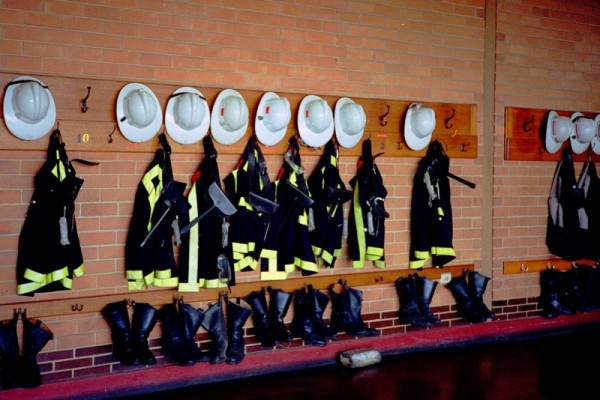
 October is Fire Prevention Month, a time when fire departments across the country remind their communities to check smoke alarms, practice escape plans, and take steps to prevent fires. It's also a good opportunity to review how your own department is protected.
Between responding to emergencies, training volunteers, maintaining equipment, and organizing fundraisers, fire department leaders have a lot to manage. Insurance details can be easy to overlook, especially when your department has experienced changes since its last policy review.
At Keller-Brown Insurance Services, we work with fire and emergency service organizations to help them understand their insurance needs and protect the people who serve their communities.
Whether you lead a volunteer fire company or help manage a larger department, here are five things worth reviewing with your insurance advisor.
1. Make Sure Your Department's Vehicle Coverage Is Up to Date
Fire departments regularly make changes to their fleets, from purchasing new apparatus to replacing aging vehicles or taking equipment out of service. But has your insurance agency been notified of those changes?
Your department's vehicle coverage should reflect the vehicles you currently own and operate. Otherwise, you could be paying premiums for vehicles that have been sold or decommissioned, or have gaps in coverage for newer additions to your fleet.
What to review:
-
Have you purchased or added any vehicles since your last insurance review?
-
Have any vehicles been sold, replaced, or permanently taken out of service?
-
Does your insurance agency have an accurate, current list of department vehicles?
-
Has the value of your vehicles kept up with your insurance?
Don't wait until renewal to report a vehicle change. Contact your insurance advisor when changes happen so you can confirm the appropriate coverage is in place.
2. Review Insurance Requirements for Fundraisers and Special Events
Chicken barbecues, bingo nights, community breakfasts, and other fundraisers are an important part of how many volunteer fire departments support their operations.
They also bring visitors, vendors, and activities into your facilities that may create risks outside your normal emergency response duties.
Before hosting an event, take time to review both your insurance coverage and the safety precautions you've put in place.
A few things to consider:
-
Outside vendors: Request certificates of insurance (COIs) from vendors and discuss any additional insured requirements with your insurance advisor.
-
Special activities: Events involving sports, dunk tanks, or other recreational activities may require a closer review of your coverage or separate event insurance.
-
Walkways and exits: Keep entrances, exits, and walking areas clear of equipment, cords, and other tripping hazards.
-
Event safety: Address spills, uneven surfaces, and other potential hazards throughout the event. Make sure first-aid supplies are readily available, too.
It's also important to confirm that the event and its activities have been properly approved through your department's established procedures.
Does your fire department insurance cover fundraising events?
Coverage depends on your policy and the activities involved. Don't assume every department-sponsored event is automatically covered. Review your plans with your insurance advisor before the event, particularly when outside vendors or activities beyond your normal operations are involved.
3. Take a Closer Look at Accident & Sickness Coverage for Volunteers
Your volunteers dedicate significant time to protecting their neighbors, often balancing department responsibilities with full-time jobs and family commitments.
If a member is injured or becomes ill while performing department duties, what financial protection is available to them?
Accident & Sickness (A&S) insurance can provide an additional layer of protection alongside workers' compensation. Depending on the policy, A&S coverage may help provide benefits for eligible injuries or illnesses, including certain situations where a workers' compensation claim is denied.
This is an important distinction for fire departments to understand. While workers' compensation provides benefits for qualifying work-related injuries and illnesses, A&S coverage may offer additional protection based on its own eligibility requirements, covered activities, and benefit limits. A denied workers' compensation claim doesn't automatically mean an A&S claim will be covered.
Questions to ask your insurance advisor:
-
Does our department currently have Accident & Sickness coverage?
-
Which members and department activities are eligible for benefits?
-
How does our A&S coverage coordinate with workers' compensation?
-
Could our A&S policy provide benefits if a workers' compensation claim is denied?
Understanding how these coverages work together can help your department identify potential gaps and better protect the volunteers who serve your community.
4. Review Life Insurance Benefits and Beneficiary Information
Volunteer recruitment and retention continue to be challenges for many fire departments. Offering meaningful member benefits is one way departments can support the people who give their time to serve.
Life insurance is an important part of that conversation. Depending on your department's needs and budget, there may be different life insurance options worth exploring, including coverage available to individual members.
It's also important to keep beneficiary information current. Marriage, divorce, the birth of a child, and other major life changes can affect whom a member wants to receive policy benefits. Departments offering life insurance or other benefits with designated beneficiaries should encourage members to review that information regularly.
What to review:
-
What life insurance benefits, if any, are currently available to members?
-
Are there additional options that could be made available at a reasonable cost?
-
Have members been reminded to review their beneficiary information?
-
Do members understand how their benefits work and whom to contact with questions?
These conversations may be especially important for volunteer organizations, where members often have different financial circumstances and insurance needs.
5. Keep Your Insurance Agency Informed When Department Leadership Changes
When new officers are elected or department responsibilities change, notifying your insurance agency may not be the first item on the transition checklist, but it's an important step.
Your insurance advisor should know who is responsible for insurance-related decisions, policy communications, and reporting changes or claims. If your department recently elected new officers, make sure your agency has the correct names and contact information.
It's also worth establishing who will be responsible for communicating vehicle changes, upcoming events, and other developments that may affect your coverage. Keeping that information current can make policy reviews, renewals, and claims communications easier to manage.
When Should Your Fire Department Review Its Insurance?
An annual insurance review is a useful starting point, but your department shouldn't have to wait until renewal to ask questions or report changes.
Consider contacting your insurance advisor whenever your department:
-
Purchases, sells, or retires a vehicle
-
Plans a fundraiser or special event
-
Elects new officers or changes key contacts
-
Makes changes to member benefits
-
Introduces new activities that may affect insurance needs
Keeping your advisor informed throughout the year can help you identify potential coverage concerns before they become bigger problems.
Protecting the People Who Protect Our Communities
Fire Prevention Month is a reminder of how much work fire departments do to keep their communities safe. Taking time to review your own insurance protection is another way to look after the members and operations that make that work possible.
Our team at Keller-Brown is proud to work with fire and EMS organizations throughout Pennsylvania, Northern Maryland, and Virginia. We understand the challenges departments face, from managing volunteer benefits to keeping up with changing equipment and operational needs.
If your department hasn't reviewed its insurance recently, our team can help you evaluate your current coverage, answer questions, and identify changes worth considering. Contact Keller-Brown to schedule your fire department insurance review.