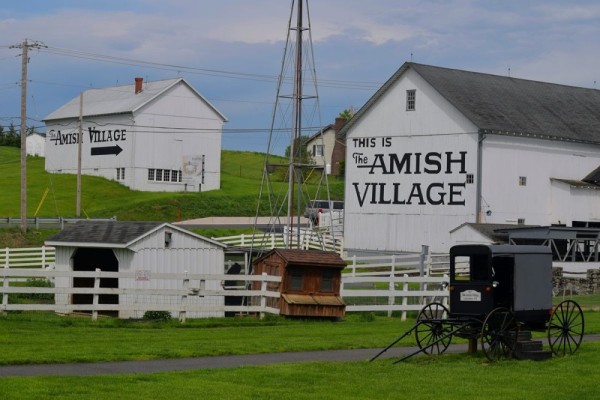
 For many owners, a farm property is much more than just a place to live or work. Around Southern Pennsylvania and Northern Maryland, many farms are tied to family history, long days, early mornings, and equipment that's counted on season after season. Over time, many operations grow and change too, adding roadside stands, seasonal events, direct sales, livestock, or new parts of the business along the way.
Maybe it's a roadside stand that started with a few seasonal products and became a regular part of the business. Or a hobby farm that expanded over the years, now hosting visitors, events, or direct sales to the community.
One of the most common conversations we have with farm owners starts with something simple: "I didn't realize that might not be covered."
Liability is one of the areas where those gaps tend to show up most often.
Many homeowners policies were never designed to fully protect working farms, hobby farms, agritourism operations, or properties with business-related activity. As farms evolve, insurance coverage should evolve with them. Understanding where potential gaps can happen can help better protect your property, your livelihood, and the people who depend on it.
When homeowners' insurance may not fully cover a farm
A big misconception around farm insurance is assuming a standard homeowners policy automatically covers farm-related activities.
While every policy is different, homeowners insurance is typically designed for personal residential use, not business or agricultural operations. Once farming activity, equipment, livestock, employees, or public interaction enters the picture, coverage limitations start to appear.
This is especially important for:
-
Hobby farms
-
Small farms
-
Horse farms and equine properties
-
Farm stands
-
Agritourism operations
-
Properties that sell products directly to the public
For example, if someone is injured while visiting your property or if farm equipment causes damage or injury, a homeowners policy likely won't provide the protection you expect.
That's why many farm owners choose a farm insurance policy that combines both personal and farm-related coverage into one plan built around how the property is actually used.
Common farm liability risks to be aware of
Every farm operation is different, but there are several liability exposures we regularly encourage farm owners to think through when reviewing coverage.
Visitors and guests on the property
Even small farms often have visitors on-site at some point throughout the year. This can include customers, delivery drivers, vendors, neighbors, or friends and family helping around the property.
Uneven ground, animals, equipment, fencing, and working areas can all create potential safety concerns. If someone is injured while visiting your property, liability coverage may help protect you financially.
Farm stands and direct-to-consumer sales
Selling produce, flowers, baked goods, eggs, or other products directly from your property can change your insurance needs.
As soon as customers regularly visit the property, additional liability considerations may come into play. Parking areas, walkways, signage, product handling, and customer interaction can all increase exposure.
It's also important to understand that certain farm business activities may require additional coverage beyond a standard farm policy. For example, if you modify products before selling them, such as turning apples into applesauce or berries into jam, or if you sell products away from your property at locations like farmers markets, you may need a Business Activities endorsement to help ensure those activities are properly covered.
Because coverage can vary based on how products are produced, sold, and distributed, it's important to review these activities with your insurance agent.
Agritourism and seasonal events
Agritourism has grown significantly across Pennsylvania and Maryland in recent years. Corn mazes, pumpkin patches, hayrides, pick-your-own events, and seasonal festivals can be a great way to connect with the community and diversify income.
These operations can also increase liability exposure.
The more people visiting your property, the more important it becomes to review:
-
Liability limits
-
Event coverage
-
Property safety
-
Waivers and operational procedures
-
Parking and traffic considerations
Even occasional seasonal events can create insurance needs that differ from day-to-day farm operations.
Farm equipment and machinery
Tractors, utility vehicles, trailers, skid loaders, and other farm equipment represent a major investment for many operations.
Beyond the value of the equipment itself, there's also liability to consider if machinery causes injury or property damage.
Depending on the policy, farm insurance may help provide protection for things like:
-
Equipment damage
-
Equipment theft
-
Liability involving machinery use
-
Transport-related incidents
One important distinction is where and how equipment is being used. A homeowners policy typically provides liability protection for equipment-related incidents that occur on your property. However, many farm operations regularly move equipment between locations or use it away from the farm.
For example, if you take a tractor to help a neighbor on their property and an accident occurs, a homeowners policy may not provide liability coverage. Farm policies are often designed with these types of agricultural operations in mind, though coverage can vary by policy and situation. ATVs are one common exception, as they often require separate liability coverage when operated away from the property.
Coverage can vary significantly depending on how equipment is used, transported, and stored.
Livestock-related liability
Animals can create unpredictable situations, even on well-managed properties.
Liability concerns can arise from:
-
Escaped livestock
-
Injuries involving horses or other animals
-
Property damage
-
Visitor interaction with animals
This is particularly important for equine properties, boarding operations, hobby farms, and farms that allow public access.
Employees, volunteers, and seasonal help
Many farms rely on seasonal workers, part-time help, or volunteers throughout the year. Depending on your operation, workers' compensation requirements and liability considerations may apply. It's important to understand how workers are classified and whether your current policy structure aligns with your operation.
What does farm insurance for Pennsylvania and Maryland farms typically cover?
Farm insurance policies can vary depending on the type and size of the operation, but coverage often includes a combination of personal and farm-related protection.
This may include:
-
Farm liability coverage
-
Barns and farm structures
-
Equipment and machinery
-
Livestock coverage
-
Farm vehicles and trailers
-
Personal property
-
Optional umbrella coverage
Some policies can also be customized around specific operations, including horse farms, hobby farms, produce farms, agritourism businesses, and roadside stands.
"We felt like our specific insurance needs pertaining to a farm were given the attention they needed and handled promptly. We have been planning to get farm insurance for several years and knew we did not have the coverage we needed so it is a relief and a burden lifted to know that we have the protection we need. Thanks for the help in getting to that point."
- William B.
Questions to ask when reviewing your farm insurance coverage
If you haven't reviewed your farm insurance recently, here are a few helpful questions to consider:
-
Does my homeowners' insurance exclude any farm-related activity?
-
Are my equipment and machinery properly covered?
-
Do I have enough liability coverage for visitors to the property?
-
Are farm stands or seasonal events included in my policy?
-
Are employees, volunteers, or seasonal workers covered appropriately?
-
Does my coverage reflect how the farm operates today?
Even if you already have farm insurance in place, reviewing your coverage periodically can help ensure it still reflects how the property is being used today.
Other frequently asked questions we hear about farm insurance
Does homeowners' insurance cover a farm?
In some situations, homeowners insurance may provide limited coverage for certain farm-related exposures, but many policies exclude business or agricultural operations. Coverage depends on how the property is used and the type of activities taking place on-site.
What insurance do small farms need?
Small farms often need a combination of property coverage and liability protection. Depending on the operation, coverage may also include equipment, livestock, structures, farm vehicles, or product liability.
What does farm liability insurance cover?
Farm liability insurance may help provide protection if someone is injured on your property or if your operation causes property damage or bodily injury to others.
Do hobby farms need insurance?
Yes, many hobby farms benefit from specialized coverage. Even smaller operations can involve equipment, animals, direct sales, or liability exposures that may not be fully covered under a homeowners policy.
Is farm equipment covered under homeowners insurance?
Not always. Farm equipment coverage varies by policy, and certain machinery or business-use equipment may require separate farm coverage.
Protecting your farm starts with understanding your risks
No two farms operate exactly the same way, which is why farm insurance shouldn't be one-size-fits-all either.
Whether you run a family farm, hobby farm, equine property, or seasonal operation, having a conversation about your current coverage can help you better understand where potential gaps may exist.
At Keller-Brown Insurance, we work with farm owners across Southern Pennsylvania and Northern Maryland to help them better understand their coverage, identify potential gaps, and build insurance plans that reflect the realities of day-to-day farm life. Request a quote or review your current coverage with our team today.